248.723.6275
 Bloomfield Hills, MI



What is respite care for the elderly? It is short-term care that gives family caregivers temporary relief while an older adult receives support with daily routines, meals, personal care, activities, and community life during a planned stay in a setting designed for short-term support.
If you are caring for an aging parent, you may be trying to balance love, responsibility, and your own need to rest. Families near Bloomfield Hills can explore respite care at Autumn House Bloomfield Hills as one way to support both the caregiver and the older adult.
What Is Respite Care For The Elderly?
Respite care for elderly adults means short-term care that supports an older person while giving their family caregiver time away from daily responsibilities. If you are asking what respite care means, the simplest answer is temporary support for your loved one while you take time to rest, travel, manage personal matters, or plan next steps.
The National Institute on Aging respite care guide describes respite care as short-term relief for caregivers. The National Council on Aging caregiver guide also explains that respite care may range from a few hours to a few weeks, depending on the caregiver’s needs and care setting. At Autumn House Bloomfield Hills, respite care is one of the care options available, along with Independent Living and Assisted Living.
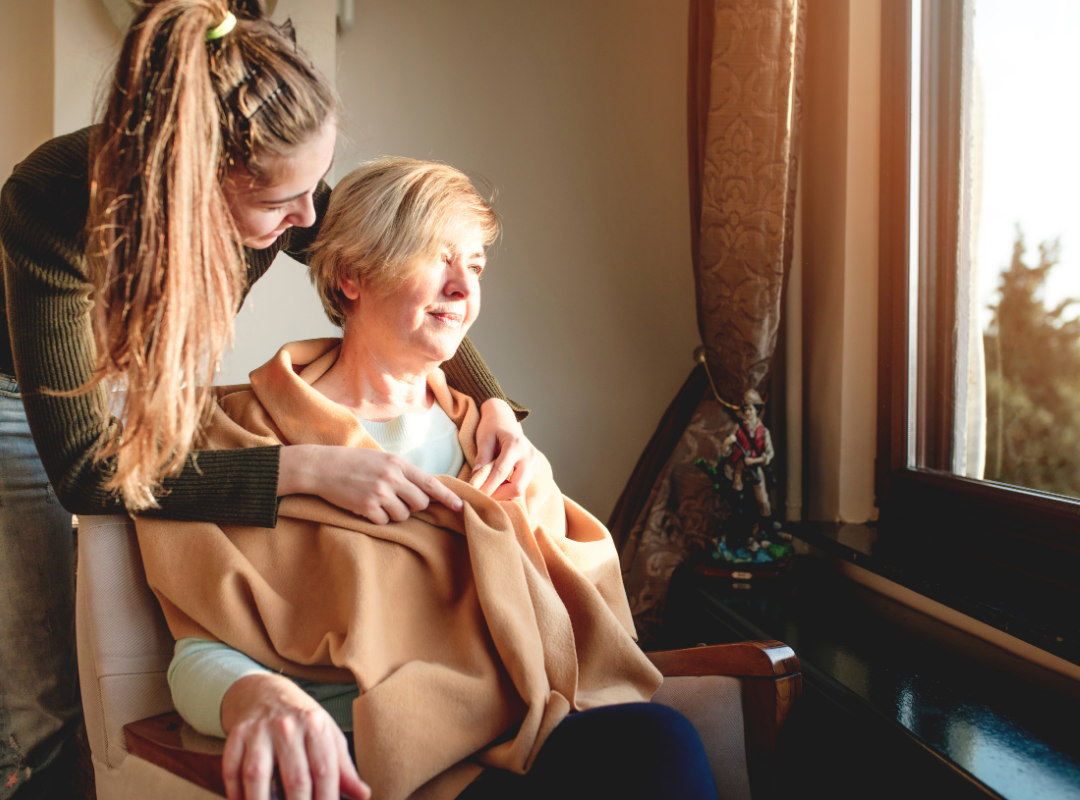
When Families May Consider Respite Care For Elderly Parents
Families often consider respite care for elderly parents when caregiving begins to feel harder to manage alone. You may still be fully committed to helping your parent, but the daily routine may require more time, energy, or coordination than expected. For a broader context, the U.S. Bureau of Labor Statistics projects home health and personal care aide employment to grow 17% from 2024 to 2034, which points to the growing need for daily support services.
A caregiver needs time to rest or handle personal responsibilities
You may need time for work, family obligations, travel, appointments, or simply rest. Respite care for parents can give you room to step away while your loved one has support with daily routines.
A parent needs more support after a change in routine
A parent may need extra help with meals, dressing, grooming, or medication assistance. Short-term care can offer temporary support while the family decides what kind of help is needed.
The family wants to explore senior living before making a long-term decision
Respite care can also help families experience a community setting before choosing a longer-term option. For a closer look at short-term community support, you may also find Respite Care Facilities: A Guide for Tired Caregivers useful while comparing options.
What Respite Care May Include At Autumn House Bloomfield Hills
Respite care at Autumn House Bloomfield Hills may include practical support that helps daily life feel more manageable. This can include meals, housekeeping, laundry services, on-site transportation, bathroom assistance, grooming and showering assistance, dressing, medication assistance, and escorts to activities and events.
The experience may also include opportunities for connection and routine, such as:
- 3 meals a day, 7 days a week
- Yoga, balance, and strength fitness classes
- Book club, art classes, and live entertainment
- Outings to local museums and restaurants
- Sunday movie or musical matinees
Daily support matters, but so does having a rhythm that feels familiar and engaging. For many families, that balance helps a short respite stay feel less uncertain.
Respite Care, Assisted Living, And Independent Living: What Is The Difference?
Respite Care, Assisted Living, and Independent Living can support different needs. The main difference is whether the support is short-term or ongoing, and how much daily assistance the older adult needs.
| Option | Best For | Type of Support | Length of Stay |
| Respite Care | Families needing temporary support | Short-term help with daily needs, meals, activities, and care support | Short-term |
| Assisted Living | Older adults who need ongoing daily support | Help with personal care, routines, meals, and services | Ongoing |
| Independent Living | Older adults who want a supportive lifestyle with fewer home responsibilities | Services, amenities, meals, and community life | Ongoing |
For many families, this comparison helps clarify whether temporary support is enough or whether a more consistent living arrangement may be worth discussing.
How To Prepare For A Short-Term Respite Stay
Preparing for a short-term respite stay starts with sharing helpful details about your loved one’s daily routine. This may include personal preferences, daily habits, medication information, family contacts, and the kind of support your parent usually receives at home.
It may also help to bring familiar items that make the stay feel easier, such as:
- Comfortable clothing and personal care items
- Medication information and routine notes
- Favorite activities, books, or comfort items
- Important family or emergency contact details
A calm conversation can also help your parent understand that respite care for adults is meant to provide support. Your role as caregiver still matters, and short-term care can give both of you more room to breathe.
A More Supported Path For Caregivers In Bloomfield Hills
Respite care can give you time to rest, reset, or manage responsibilities while your loved one receives support in a community setting. It can also help families make decisions with more clarity, especially when daily care needs are changing.
If you are exploring respite care for an elderly parent, Autumn House Bloomfield Hills can help you talk through what short-term care may look like. You can contact the team or schedule a tour when you are ready to take the next step.
Frequently Asked Questions
What are the signs someone needs respite?
Someone may need respite when caregiving starts to feel difficult to manage without help. Signs can include caregiver exhaustion, growing support needs, changes in daily routines, or more frequent help with dressing, grooming, meals, or medication assistance. Respite care may also help when a caregiver needs time for work, travel, appointments, or rest. If you are unsure, talking with a community team can help you understand whether short-term care may be appropriate.
What do I need to pack for respite care?
You may need to pack clothing, personal care items, medication information, routine notes, and important contact details. It can also help to bring comfort items, favorite books, or activities that make your loved one feel more at ease. Since each person’s needs are different, families should ask what information is needed before the stay begins. A clear routine can help the short-term stay feel smoother.
How do I ask for respite care?
You can ask for respite care by contacting the community and sharing your loved one’s daily support needs. Explain whether your parent needs help with meals, dressing, grooming, medication assistance, transportation, or activities. You can also share why short-term care is needed, such as caregiver rest, travel, or a temporary change in routine. From there, the team can explain what the next steps may be.
How long does it take to get someone into respite care?
The timing for respite care can depend on availability, care needs, and the information needed before a stay. Some families begin by calling to ask questions and sharing details about their loved one’s routine and support needs. The process may vary depending on the situation. For current availability at Autumn House Bloomfield Hills, call 248-723-6275.