248.723.6275
 Bloomfield Hills, MI


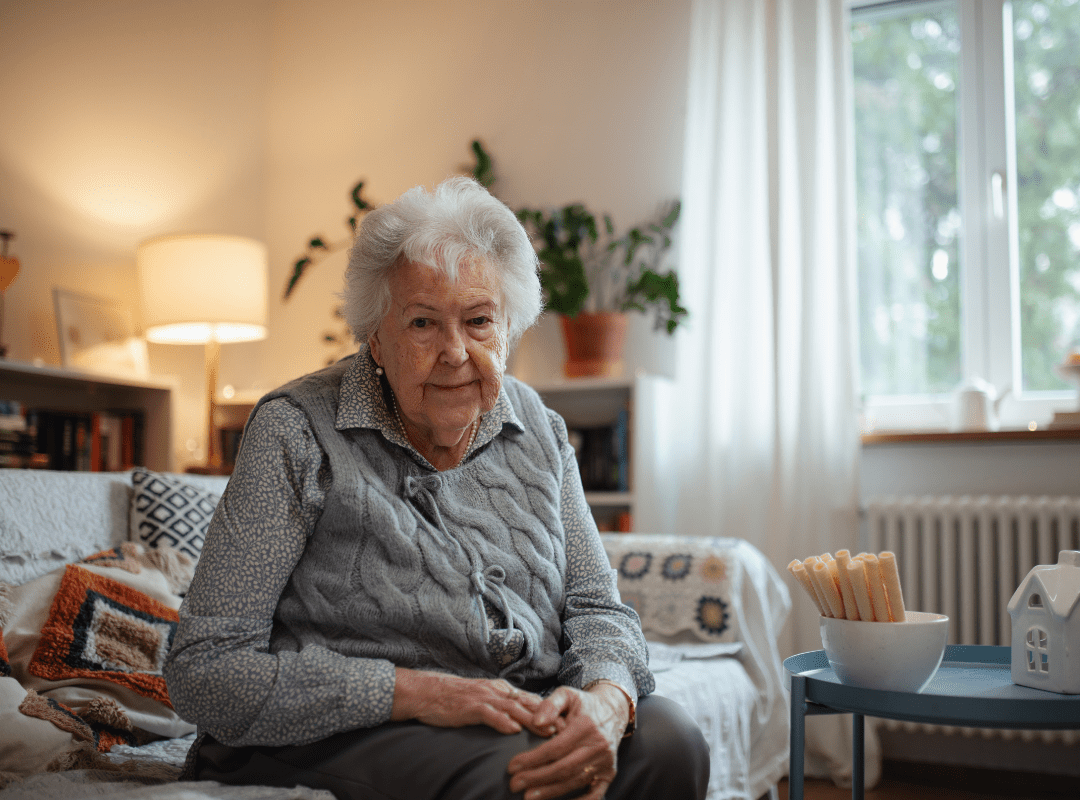
Independent living is a senior housing option for older adults who generally manage their personal care but want fewer household responsibilities. Depending on the community, residents may have access to meals, housekeeping, transportation, activities, and other conveniences while continuing to direct their own schedules and daily routines.
Independent living is not the same as assisted living or nursing care. Services also vary from one community to another. Families should compare what is included, what costs extra, and what support is available before choosing a community.
Key Takeaway: Independent living generally fits older adults who manage their personal routines but want to simplify tasks such as cooking, cleaning, laundry, transportation, or home upkeep. The exact services and fees must be confirmed with each community.
What Does Independent Living Mean for an Older Adult?
Independent living offers a private residence in a community designed for older adults. Residents usually make their own choices about how to spend their day, when to participate in activities, and how to manage their personal routines.
The community may take care of responsibilities that can make living at home more demanding. Depending on the provider, these may include meal preparation, housekeeping, laundry, transportation, maintenance, or organized activities.
The word independent does not mean residents must do everything without assistance or convenient services. It generally means they do not need regular hands-on help with personal activities such as bathing, dressing, grooming, using the bathroom, or managing medications.
A simple way to understand independent living is to separate daily life into three parts:
- What the resident manages: Personal care, daily choices, and individual routines
- What the community may simplify: Meals, cleaning, transportation, maintenance, and access to activities
- What the family must confirm: Included services, added fees, eligibility requirements, and available support
Housing and service arrangements are not identical across the senior living industry. The National Institute on Aging’s overview of long-term care explains that some residential facilities provide mainly housing and housekeeping, while others offer personal care, meals, activities, or medical services.
What Is the Main Difference Between Independent and Assisted Living?
The main difference is the level of personal assistance a resident regularly needs.
Independent living generally serves older adults who can manage their personal care. Assisted living is intended for people who benefit from regular support with certain daily activities. Both options may offer meals, housekeeping, transportation, social activities, and other conveniences.
| Decision Point | Independent Living | Assisted Living |
| Personal routines | Generally managed by the resident | Regular assistance may be available |
| Main purpose | Housing, convenience, and community life | Housing plus personal-care support |
| Services | Depend on the community | Depend on the community and support arrangement |
| First question to consider | Which household tasks would I like to simplify? | Which personal activities require regular help? |
Age alone does not determine which option is appropriate. A person in their 80s may manage personal care independently, while a younger person may need regular support because of mobility or other daily challenges.
Families who need a more detailed breakdown can compare independent living and assisted living before deciding which type of community to explore.

Who May Be a Good Fit for Independent Living?
Independent living may be worth considering when an older adult manages personal care but wants to reduce the work involved in living at home.
It may be a reasonable option for someone who:
- No longer wants to prepare every meal
- Finds cleaning, laundry, or home upkeep tiring
- Wants transportation options instead of driving everywhere
- Would like convenient access to activities or social settings
- Prefers a community designed around older adults
- Wants to plan a move before household responsibilities become overwhelming
Consider a hypothetical example. An older adult may bathe, dress, manage medications, and use the bathroom independently but no longer want to cook every day, maintain a large home, or drive to activities. Independent living may provide the conveniences that person wants without adding unnecessary personal-care support.
Difficulty with one household task does not automatically determine a person’s care level. However, regular help with bathing, dressing, grooming, bathroom routines, mobility, or medication management may be a reason to compare assisted living as well.
Families who are unsure where to begin can use the Autumn House Care Assessment to organize current routines and support needs.
What Should Michigan Families Compare Between Communities?
The phrase independent senior living in Michigan does not describe one standard package. Communities may differ in housing, meals, services, fees, activities, transportation, and the support available when a resident’s needs change.
Families should compare the details rather than relying only on labels or marketing descriptions.
1. What Is Included in the Monthly Price?
Ask for a written explanation of what the monthly rate includes. Depending on the community, costs may cover some combination of:
- Housing
- Meals
- Housekeeping
- Laundry
- Transportation
- Activities
- Utilities
- Maintenance
Also ask about one-time community fees, optional services, personal-care charges, and other recurring expenses. A lower starting rate may not represent the complete monthly cost if important services are priced separately.
Families can also compare current living expenses before deciding how a senior living rate fits into their budget.
2. Which Services Are Conveniences and Which Are Personal Care?
Meals, housekeeping, laundry, and transportation usually simplify household responsibilities. Bathing assistance, dressing assistance, grooming support, bathroom help, and medication assistance involve personal care.
Ask whether each service is:
- Included in independent living
- Available for an additional charge
- Connected to an assisted living arrangement
- Unavailable within that community
This distinction matters because a community may offer both independent and assisted living, but the services included with each option may differ.
3. How Is the Appropriate Living Option Determined?
Ask how the community determines whether an older adult is suited to independent living. Families should understand what information is reviewed, whether an assessment is required, and what happens when a resident begins to need more support.
Do not assume that every senior living community in Michigan uses the same process. Ask for a clear explanation based on the specific provider and the services it offers.
4. Does Daily Life Match the Older Adult’s Preferences?
A long amenity list does not automatically mean a community is the right fit. Consider how the older adult prefers to spend an ordinary day.
Compare:
- Meal schedules and dining options
- Transportation availability
- Activity choices
- Opportunities to spend time alone
- Access to family, friends, and familiar places
- The location of important appointments and services
- The overall pace and setting of the community
The goal is not to find the community with the most features. It is to find one whose daily experience fits the older adult’s needs and preferences.
5. How Does Michigan Classify the Setting and Its Services?
Michigan does not license facilities simply under the names “independent living” or “assisted living.” According to the Michigan Department of Licensing and Regulatory Affairs, an Adult Foster Care or Home for the Aged license may be required when the care provided meets the requirements for one of those license types.
Families do not need to become licensing experts. However, they should ask how a community and its services are classified, review written agreements, and use Michigan’s public resources to check applicable licensing information.

One Example of Independent Senior Living in Michigan
Autumn House Bloomfield Hills, located at 6257 Telegraph Road in Bloomfield Hills, offers Independent Living, Assisted Living, and Respite Care.
Approved conveniences and community features include three meals a day, seven days a week, housekeeping, laundry services, and on-site transportation. Activities include yoga, balance and strength classes, book club, art classes, live entertainment, interactive lectures, theme dinners, and outings to local museums and restaurants.
Because service arrangements may differ by living option, families should confirm which services are included with Independent Living and whether any additional assistance requires a separate plan or fee. The Autumn House care offerings and community amenities provide additional information for families comparing their options.
How Can Older Adults Prepare Before Touring a Community?
A useful tour begins before the family arrives. Preparing a few notes can help everyone focus on practical needs instead of trying to remember every question during the visit.
Before the Tour
Write down:
- Personal routines the older adult currently manages
- Household tasks they want to reduce
- Services that are necessary rather than optional
- Preferred activities and daily routines
- Transportation needs
- Important locations, including family and medical providers
- Current housing and household expenses
- Questions about services, fees, agreements, and future support
The older adult should be included in these discussions whenever possible. The National Institute on Aging recommends learning about available housing options and discussing the advantages and disadvantages together.
During the Tour
Pay attention to how the community functions during an ordinary day. Observe the dining areas, common spaces, transportation arrangements, activities, and areas the older adult would use most often.
Ask:
- What is included in the monthly rate?
- Which services cost extra?
- What personal assistance is available?
- How is the appropriate living option determined?
- What happens if support needs change?
- Can the family review pricing and service details in writing?
- Which activities and transportation options are offered regularly?
- What agreements, rules, and notice requirements apply?
Décor and first impressions matter, but they should not replace a careful review of services, costs, and daily life.
Take the Next Step at Your Own Pace
Independent living may suit an older adult who manages personal care but wants fewer household responsibilities and easier access to meals, transportation, activities, or community life. The right decision depends on current routines, personal preferences, and the services confirmed with each provider.
Start by using the Care Assessment to review current support needs. Families ready to explore a specific community can also plan a visit to Autumn House Bloomfield Hills or call 248-723-6275.
Frequently Asked Questions
How does independent senior living in Michigan differ from assisted living?
Independent senior living generally serves older adults who manage their personal care but want housing, services, and community conveniences. Assisted living adds regular support with activities such as bathing, dressing, grooming, or medication routines. Both options may provide meals, housekeeping, transportation, and activities. Families should confirm the services included with each option because arrangements vary among senior living communities in Michigan.
Who may be a good fit for independent living within senior living communities in Michigan?
An older adult may be a good fit when they manage personal routines but want to reduce cooking, cleaning, laundry, transportation, or home upkeep. They may also prefer easier access to dining, activities, and other older adults. Age by itself does not determine whether independent living is appropriate. A regular need for hands-on personal assistance may be a reason to compare assisted living.
What should families compare when researching independent senior living in Michigan?
Families should compare included services, added fees, housing options, meals, transportation, housekeeping, activities, and community agreements. They should also ask which personal-care services are available and whether those services require a different living arrangement or added fee. Location and daily routine should be considered alongside amenities. Written pricing and service details make it easier to compare senior living facilities in Michigan accurately.
How can older adults prepare for a move to senior living in Michigan?
Older adults can begin by identifying the tasks they want to simplify and the routines they want to preserve. They should compare current expenses, decide which services are necessary, and review what belongings will fit in the new residence. Family members can help gather information, but the older adult’s preferences should remain central to the decision. A gradual planning process can provide more time to compare communities and prepare for the change.
What questions should seniors ask when touring senior living facilities in Michigan?
Seniors should ask what is included in the monthly rate, which services cost extra, and what personal assistance is available. They should also ask how the community determines the appropriate living option and what happens when support needs change. Questions about meals, transportation, activities, agreements, and applicable licensing can reveal important differences between providers. Requesting written information makes it easier to review the answers after the tour.