
 248.723.6275
 Bloomfield Hills, MI



Independent living should answer one simple question: Will I feel safe, supported, and still like myself here? For many older adults, independent living in Detroit offers the right balance of privacy and community, so you can keep your routines, stay connected, and get day-to-day help when it’s needed.
At Autumn House Bloomfield Hills, residents and families often look for a calm, welcoming lifestyle with built-in support. If you’re comparing independent living in Detroit, affordable options, or exploring independent living in Detroit, low-income resources, it helps to focus on what’s included, what changes as needs change, and how the community helps you stay engaged.
Want to see what daily life can look like in a supportive community? Call (248) 723-6275 to ask questions or schedule a visit with Autumn House Bloomfield Hills.
What makes independent living a better fit for many seniors?
Independent living is designed for older adults who want fewer chores and more time for living, without giving up choice and independence. The goal is simple: reduce stress, support safety, and make it easier to stay social and active.
At Autumn House Bloomfield Hills, community life is built around everyday comfort and connection, including:
- Housekeeping and laundry services
- 3 meals a day, 7 days a week
- On-site transportation
- A consistent calendar of community activities and events
A stronger day-to-day quality of life
When daily tasks get tiring, independence can start to feel like work. Independent living helps by removing the “heavy lifting” so energy can go toward what matters: relationships, hobbies, and health.
Residents often benefit from:
- Reliable routines (meals, transportation, planned events)
- Less home maintenance stress
- More social connections, which are linked to better mental well-being as we age
Staying active in ways that feel safe and realistic
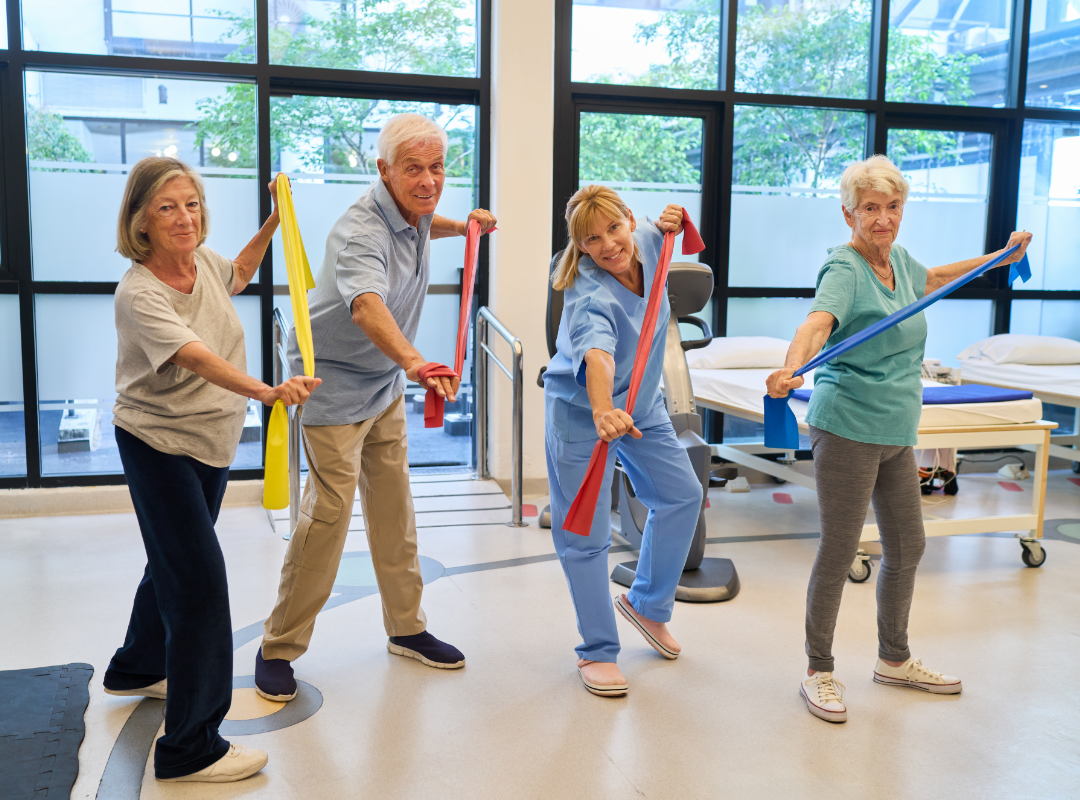
Movement matters, but it should feel doable. Autumn House Bloomfield Hills offers yoga classes and balance and strength fitness classes, which can support mobility and confidence. (As a safety note: if you have fall risk, dizziness, or new pain, it’s wise to check with your clinician before starting or changing an exercise routine.)
Independence without isolation
Independence isn’t only about living alone, it’s about having choices. In a well-supported community, you can still set your own schedule, decide how social you want to be, and choose which supports make life easier.
Autumn House Bloomfield Hills encourages connection through events like:
- Wine Down Wednesdays
- Friday Happy Hour
- Sunday movie or musical matinees
- Live entertainment
- Interactive lectures and presentations
- Book club and art classes
And because Detroit culture is part of the fun, residents can also enjoy seasonal favorites like Detroit Tigers opening day, plus outings to local museums and restaurants.

Support that can match changing needs
Many seniors start with independent living and later need a little more day-to-day help. Autumn House Bloomfield Hills also offers Assisted Living and Respite Care, which can support transitions without forcing families to “start over” elsewhere.
Support may include assistance with:
- Bathroom assistance
- Grooming and showering assistance
- Dressing
- Medication assistance
- Escorts to activities and events
This kind of support can help protect dignity and reduce caregiver strain, especially when needs change gradually over time.
Understanding independent living in Detroit and its affordability
Costs vary based on apartment choice and the level of support included. When families search for independent living in Detroit, cost, they’re usually trying to compare apples to apples.
If you’re exploring independent living in Detroit, affordable communities (or need independent living in Detroit, low-income guidance), ask these practical questions:
- What does the monthly rate include (meals, transportation, housekeeping)?
- Are there different pricing levels based on support needs?
- If needs change, how does pricing change?
- Are short-term options available through Respite Care?
This approach helps you evaluate value, not just price, so you can plan with fewer surprises.
Semi-independent living for adults with disabilities
Some adults want independence but still benefit from hands-on support for daily tasks. Semi-independent living for adults with disabilities can provide a middle ground: more autonomy, plus help where it’s actually needed.
In a supportive setting, the goal is to promote independence while assisting with personal care and daily routines, so the person can participate in community life with confidence.
Safety, confidence, and peace of mind
Families often worry about safety first, and for good reason. A supportive community helps reduce common risks by keeping residents connected, supported, and engaged in daily life.
If you’re helping a loved one compare options, look for communities that offer:
- Consistent staff support for daily needs (like dressing or bathing)
- Clear routines and escorts to events when needed
- Transportation help for outings and appointments
A new chapter that still feels like you
Choosing independent living in Detroit isn’t about giving up independence; it’s about protecting it. With helpful services, engaging events, and supportive care options available, Autumn House Bloomfield Hills helps seniors stay connected while still living life on their terms.
If you’re ready to explore options or compare pricing, talk with a team member who can walk you through the next step, at your pace.
See if Autumn House Bloomfield Hills feels like home
Have questions about lifestyle, support, independent living in Detroit, or costs? Call (248) 723-6275 to speak with a senior living advisor or schedule a visit at Autumn House Bloomfield Hills.
Frequently Asked Questions
What is the average cost of independent living in Michigan?
The average cost of independent living in Michigan typically ranges from $2,000 to $3,500 per month. This cost varies depending on factors such as location, amenities, and the size of the apartment or home. Urban areas, such as Detroit and Ann Arbor, tend to be on the higher end of the range due to increased demand and access to services. Many communities include meals, maintenance, transportation, and social activities within this price, offering convenience and value for seniors.
Why did white people leave Detroit?
The large-scale migration of white residents from Detroit, often referred to as “white flight,” occurred primarily between the 1950s and 1970s. This movement was driven by several factors, including racial tensions, economic decline, and suburban development that offered new housing opportunities. The 1967 Detroit riots also accelerated the departure of many residents who sought perceived safety and better schools outside the city. Over time, this shift had a significant impact on Detroit’s demographics, economy, and urban landscape.
Can I buy a house in Detroit for $1000?
It is possible to find houses listed in Detroit for as low as $1,000, but these homes often require extensive renovations and may come with back taxes or other legal complications. Many of these properties are sold through auctions or the Detroit Land Bank Authority. Buyers should be prepared for additional costs related to repairs, permits, and compliance with local housing codes. While the low prices may seem appealing, due diligence and proper research are essential before making a purchase.
What are the disadvantages of independent living?
Independent living may not be ideal for seniors who require regular medical assistance or personal care support. While it offers freedom and privacy, it can also lead to feelings of isolation for those with limited social connections or mobility challenges. Additionally, the cost of optional services, such as housekeeping, transportation, or meals, can accumulate over time. Some residents may also find the transition from a traditional home to a community setting emotionally challenging.