
 248.723.6275
 Bloomfield Hills, MI


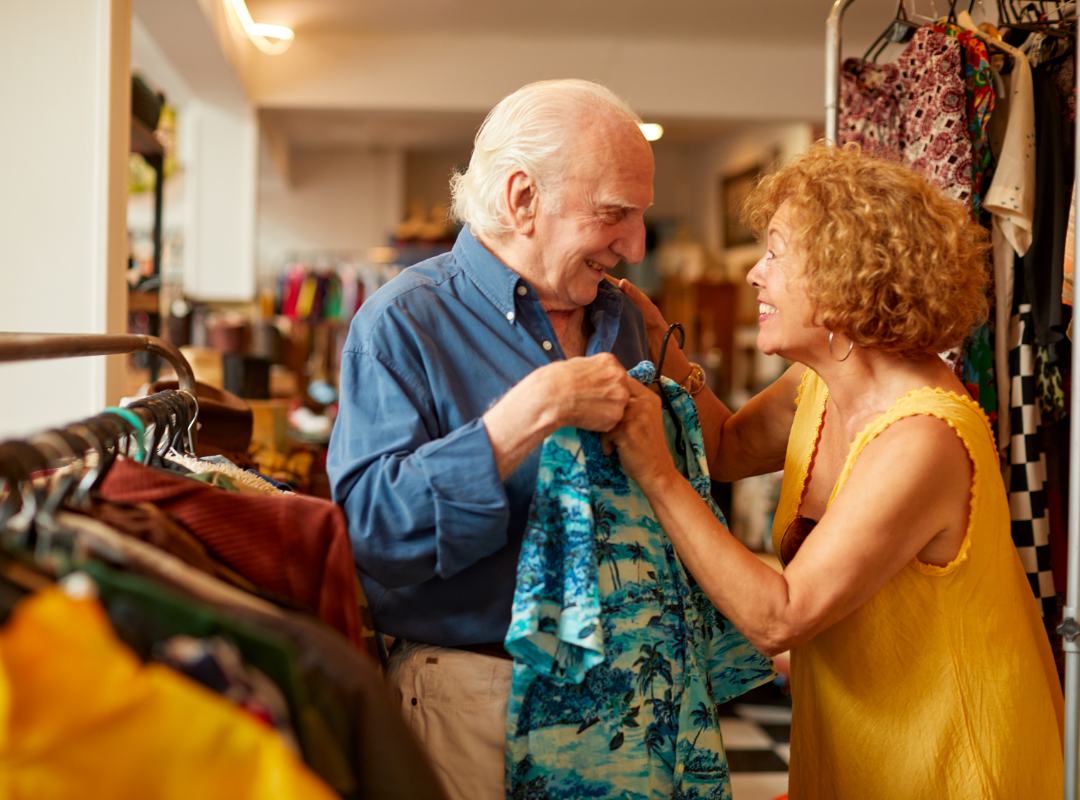
Elderly fashion is all about dressing in a way that feels good, looks like “you,” and supports changing needs, without turning getting dressed into a struggle. The best approach is simple: choose soft, breathable fabrics, easy fasteners, and outfits that are comfortable sitting, walking, and moving through the day.
At Autumn House Bloomfield Hills, many residents and families focus on practical style, pieces that are easy to wear, easy to care for, and still feel polished for activities, dining, and community events. With the right plan, you can build a wardrobe that supports independence and confidence, whether you’re choosing clothes for the elderly in a nursing home setting, planning for assisted dressing, or simply refreshing everyday outfits.
Ready for helpful guidance (not pressure)? Call (248) 723-6275 to speak with a team member at Autumn House Bloomfield Hills and discover how our community fosters comfort, confidence, and daily living.
What Matters Most in Senior-Friendly Clothing
The “right” outfit isn’t just about style; comfort and safety matter, too. A few smart choices can make dressing easier and reduce frustration for seniors and caregivers.
Look for:
- Soft, breathable fabrics (cotton blends, knits) that feel good on sensitive skin
- Stretch and flexible fits that allow easy movement and sitting comfort
- Easy closures (magnets, Velcro, larger pulls) to reduce strain on hands
- Simple layers for temperature changes throughout the day
- Safe dressing habits (for example, many fall-prevention experts recommend getting dressed while seated).
Adaptive Clothing Options That Make Life Easier
Choosing adaptive clothing for the elderly can help seniors stay independent longer and can make caregiver-assisted dressing smoother and more dignified.
Magnetic closures for less stress
Magnetic closures can replace small buttons and tricky zippers, making shirts and jackets easier to manage, especially for those with arthritis, tremors, or low hand strength. This can be a game-changer when selecting casual clothes for seniors that still look neat and “put together.”
Open-back styles for assisted dressing
Open-back tops and dresses are often used as clothes for the elderly in a nursing home or respite setting because they’re designed for easier caregiver support. They can help reduce tugging and discomfort while preserving modesty.
Elastic waistbands that still look polished
Elastic waist pants, pull-on slacks, and stretch skirts make dressing faster and more comfortable, especially for seniors who sit often or use mobility supports. They’re a practical staple in elderly fashion because they work for daily routines, dining, and outings.
Footwear that supports stability
Slip-resistant soles, secure heel support, and easy-on designs (like Velcro closures) can improve confidence while walking. If balance is a concern, prioritize stability over “cute but slippery.”
Build a Simple Wardrobe That Works All Week
A small “mix-and-match” closet keeps mornings easier, especially for caregivers helping plan outfits.
Wardrobe staples many families start with:
- 3–5 comfortable bottoms (pull-on pants, soft denim, stretch skirts)
- 5–7 tops (easy layers, comfortable necklines)
- 2–3 layering pieces (cardigans, light jackets, shawls)
- 1–2 “event-ready” outfits for dinners, happy hours, and entertainment
- Easy-care fabrics that wash well (great when laundry is frequent)
This approach supports elderly fashion without overbuying, and it’s ideal for community living where closets may be smaller.
Style That Fits Community Life in Bloomfield Hills
Fashion should match real life, meals with neighbors, music, fitness classes, and special events.
At Autumn House Bloomfield Hills, residents often dress for:
- Wine Down Wednesdays and Friday Happy Hour
- Sunday movie or musical matinees and live entertainment
- Yoga, balance, and strength fitness classes
- Book club, art classes, and interactive lectures
- Outings to local museums and restaurants
- Seasonal favorites like Detroit Tigers opening day, theme dinners, and veteran events
For Michigan weather, layering is your best friend: a breathable base layer, a comfortable top, and a light cardigan or jacket that’s easy to remove indoors.
When Dressing Help Is Needed, Dignity Still Comes First
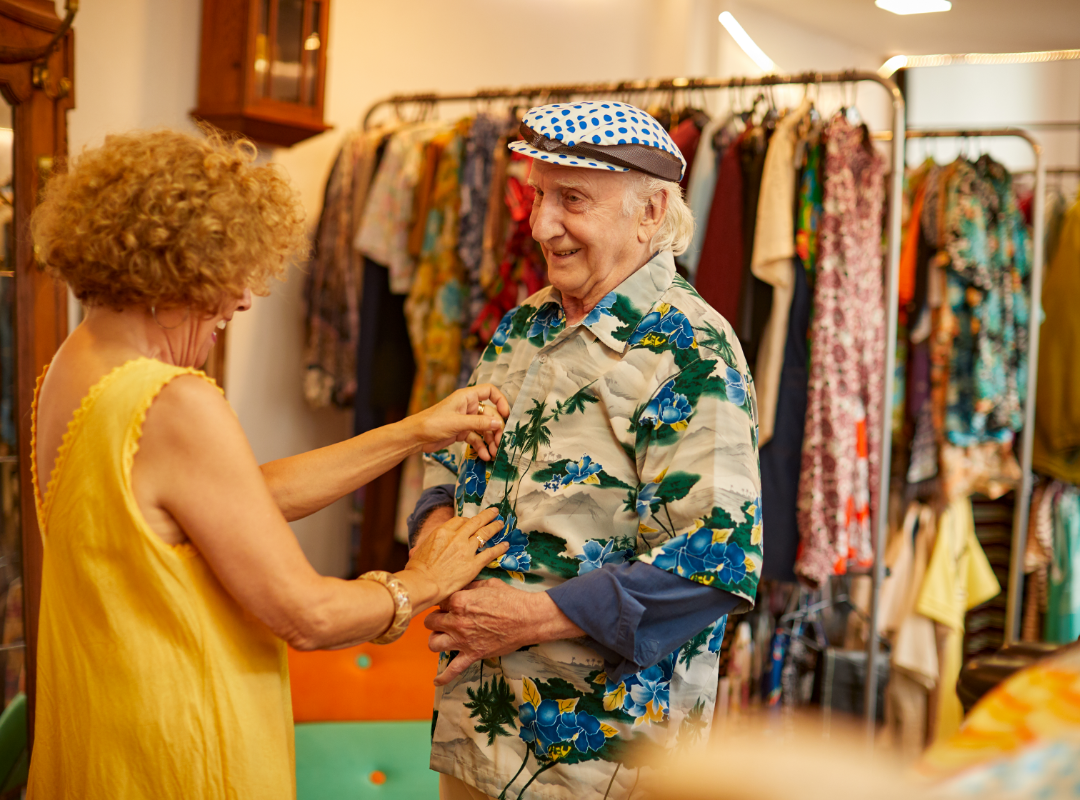
Sometimes the biggest “fashion upgrade” is reducing daily stress. If dressing is becoming difficult, a few supports can protect comfort and confidence:
- Choose adaptive clothing for the elderly to reduce tugging and strain
- Keep outfits simple (fewer layers, easier closures)
- Lay clothing out in order, one piece at a time, an approach recommended in caregiving guidance for dressing routines.
At Autumn House Bloomfield Hills, support may include dressing assistance, grooming and showering assistance, bathroom assistance, medication assistance, and escorts to activities and events, so residents can focus on enjoying their day.
Helpful Resources for Seniors and Caregivers
If you’d like extra ideas while planning outfits:
- Silverts Adaptive Clothing (adaptive apparel options)
- AARP Style Guide (Women Over 50) (wardrobe tips and inspiration)
- National Institute on Aging: Bathing, Dressing, and Grooming (caregiving-friendly dressing strategies)
Feel Confident in What Comes Next
Whether you’re refreshing a closet, exploring clothes for the elderly in a nursing home setting, or looking for casual clothes for seniors that feel comfortable and dignified, you don’t have to figure it out alone.
Visit Autumn House Bloomfield Hills to learn about community life, or call (248) 723-6275 to schedule a tour and speak with a senior living advisor, so you can make a choice that feels calm, informed, and supportive.
Frequently Asked Questions
What is the 3-3-3 rule in fashion?
The 3-3-3 rule in fashion is a minimalist approach to dressing that encourages creating three outfits from three tops, three bottoms, and three pairs of shoes. This rule helps simplify wardrobe choices while maintaining variety and style. It promotes mindful dressing and reduces decision fatigue, making it easier to coordinate outfits for different occasions. This concept works well for seniors who prefer simplicity and comfort without compromising their appearance.
What should an 84-year-old woman wear?
An 84-year-old woman should prioritize comfort, practicality, and personal style when selecting her wardrobe. Soft, breathable fabrics such as cotton or bamboo blends work best for sensitive skin. Clothing with easy closures, such as Velcro or front zippers, can simplify dressing. Adding color, patterns, and accessories can help express individuality and confidence while maintaining comfort throughout the day.
Is Silverts only for seniors?
Silverts is primarily known for providing adaptive clothing designed for seniors and people with mobility challenges, but it is not limited to older adults. The brand also serves individuals recovering from surgery, living with disabilities, or requiring assistance with dressing. Their clothing combines comfort, functionality, and style, making it suitable for a variety of needs. Silverts’ adaptive designs help promote independence and dignity for anyone who benefits from easier dressing options.
How to dress the elderly?
Dressing the elderly involves prioritizing comfort, safety, and ease of movement. Choose adaptive or loose-fitting clothing made from soft, breathable materials to prevent irritation and promote comfort. Clothing with Velcro, magnetic closures, or elastic waistbands can simplify dressing, especially for those with limited mobility or arthritis. It’s also vital to consider layering for temperature control and selecting colors and styles that reflect their personality and preferences.
Elderly fashion is all about dressing in a way that feels good, looks like “you,” and supports changing needs, without turning getting dressed into a struggle. The best approach is simple: choose soft, breathable fabrics, easy fasteners, and outfits that are comfortable sitting, walking, and moving through the day.
At Autumn House Bloomfield Hills, many residents and families focus on practical style, pieces that are easy to wear, easy to care for, and still feel polished for activities, dining, and community events. With the right plan, you can build a wardrobe that supports independence and confidence, whether you’re choosing clothes for the elderly in a nursing home setting, planning for assisted dressing, or simply refreshing everyday outfits.
Ready for helpful guidance (not pressure)? Call (248) 723-6275 to speak with a team member at Autumn House Bloomfield Hills and discover how our community fosters comfort, confidence, and daily living.
What Matters Most in Senior-Friendly Clothing
The “right” outfit isn’t just about style; comfort and safety matter, too. A few smart choices can make dressing easier and reduce frustration for seniors and caregivers.
Look for:
- Soft, breathable fabrics (cotton blends, knits) that feel good on sensitive skin
- Stretch and flexible fits that allow easy movement and sitting comfort
- Easy closures (magnets, Velcro, larger pulls) to reduce strain on hands
- Simple layers for temperature changes throughout the day
- Safe dressing habits (for example, many fall-prevention experts recommend getting dressed while seated).
Adaptive Clothing Options That Make Life Easier
Choosing adaptive clothing for the elderly can help seniors stay independent longer and can make caregiver-assisted dressing smoother and more dignified.
Magnetic closures for less stress
Magnetic closures can replace small buttons and tricky zippers, making shirts and jackets easier to manage, especially for those with arthritis, tremors, or low hand strength. This can be a game-changer when selecting casual clothes for seniors that still look neat and “put together.”
Open-back styles for assisted dressing
Open-back tops and dresses are often used as clothes for the elderly in a nursing home or respite setting because they’re designed for easier caregiver support. They can help reduce tugging and discomfort while preserving modesty.
Elastic waistbands that still look polished
Elastic waist pants, pull-on slacks, and stretch skirts make dressing faster and more comfortable, especially for seniors who sit often or use mobility supports. They’re a practical staple in elderly fashion because they work for daily routines, dining, and outings.
Footwear that supports stability
Slip-resistant soles, secure heel support, and easy-on designs (like Velcro closures) can improve confidence while walking. If balance is a concern, prioritize stability over “cute but slippery.”
Build a Simple Wardrobe That Works All Week
A small “mix-and-match” closet keeps mornings easier, especially for caregivers helping plan outfits.
Wardrobe staples many families start with:
- 3–5 comfortable bottoms (pull-on pants, soft denim, stretch skirts)
- 5–7 tops (easy layers, comfortable necklines)
- 2–3 layering pieces (cardigans, light jackets, shawls)
- 1–2 “event-ready” outfits for dinners, happy hours, and entertainment
- Easy-care fabrics that wash well (great when laundry is frequent)
This approach supports elderly fashion without overbuying, and it’s ideal for community living where closets may be smaller.
Style That Fits Community Life in Bloomfield Hills
Fashion should match real life, meals with neighbors, music, fitness classes, and special events.
At Autumn House Bloomfield Hills, residents often dress for:
- Wine Down Wednesdays and Friday Happy Hour
- Sunday movie or musical matinees and live entertainment
- Yoga, balance, and strength fitness classes
- Book club, art classes, and interactive lectures
- Outings to local museums and restaurants
- Seasonal favorites like Detroit Tigers opening day, theme dinners, and veteran events
For Michigan weather, layering is your best friend: a breathable base layer, a comfortable top, and a light cardigan or jacket that’s easy to remove indoors.
When Dressing Help Is Needed, Dignity Still Comes First
Sometimes the biggest “fashion upgrade” is reducing daily stress. If dressing is becoming difficult, a few supports can protect comfort and confidence:
- Choose adaptive clothing for the elderly to reduce tugging and strain
- Keep outfits simple (fewer layers, easier closures)
- Lay clothing out in order, one piece at a time, an approach recommended in caregiving guidance for dressing routines.
At Autumn House Bloomfield Hills, support may include dressing assistance, grooming and showering assistance, bathroom assistance, medication assistance, and escorts to activities and events, so residents can focus on enjoying their day.
Helpful Resources for Seniors and Caregivers
If you’d like extra ideas while planning outfits:
- Silverts Adaptive Clothing (adaptive apparel options)
- AARP Style Guide (Women Over 50) (wardrobe tips and inspiration)
- National Institute on Aging: Bathing, Dressing, and Grooming (caregiving-friendly dressing strategies)
Feel Confident in What Comes Next
Whether you’re refreshing a closet, exploring clothes for the elderly in a nursing home setting, or looking for casual clothes for seniors that feel comfortable and dignified, you don’t have to figure it out alone.
Visit Autumn House Bloomfield Hills to learn about community life, or call (248) 723-6275 to schedule a tour and speak with a senior living advisor, so you can make a choice that feels calm, informed, and supportive.
Frequently Asked Questions
What is the 3-3-3 rule in fashion?
The 3-3-3 rule in fashion is a minimalist approach to dressing that encourages creating three outfits from three tops, three bottoms, and three pairs of shoes. This rule helps simplify wardrobe choices while maintaining variety and style. It promotes mindful dressing and reduces decision fatigue, making it easier to coordinate outfits for different occasions. This concept works well for seniors who prefer simplicity and comfort without compromising their appearance.
What should an 84-year-old woman wear?
An 84-year-old woman should prioritize comfort, practicality, and personal style when selecting her wardrobe. Soft, breathable fabrics such as cotton or bamboo blends work best for sensitive skin. Clothing with easy closures, such as Velcro or front zippers, can simplify dressing. Adding color, patterns, and accessories can help express individuality and confidence while maintaining comfort throughout the day.
Is Silverts only for seniors?
Silverts is primarily known for providing adaptive clothing designed for seniors and people with mobility challenges, but it is not limited to older adults. The brand also serves individuals recovering from surgery, living with disabilities, or requiring assistance with dressing. Their clothing combines comfort, functionality, and style, making it suitable for a variety of needs. Silverts’ adaptive designs help promote independence and dignity for anyone who benefits from easier dressing options.
How to dress the elderly?
Dressing the elderly involves prioritizing comfort, safety, and ease of movement. Choose adaptive or loose-fitting clothing made from soft, breathable materials to prevent irritation and promote comfort. Clothing with Velcro, magnetic closures, or elastic waistbands can simplify dressing, especially for those with limited mobility or arthritis. It’s also vital to consider layering for temperature control and selecting colors and styles that reflect their personality and preferences.