248.723.6275
 Bloomfield Hills, MI


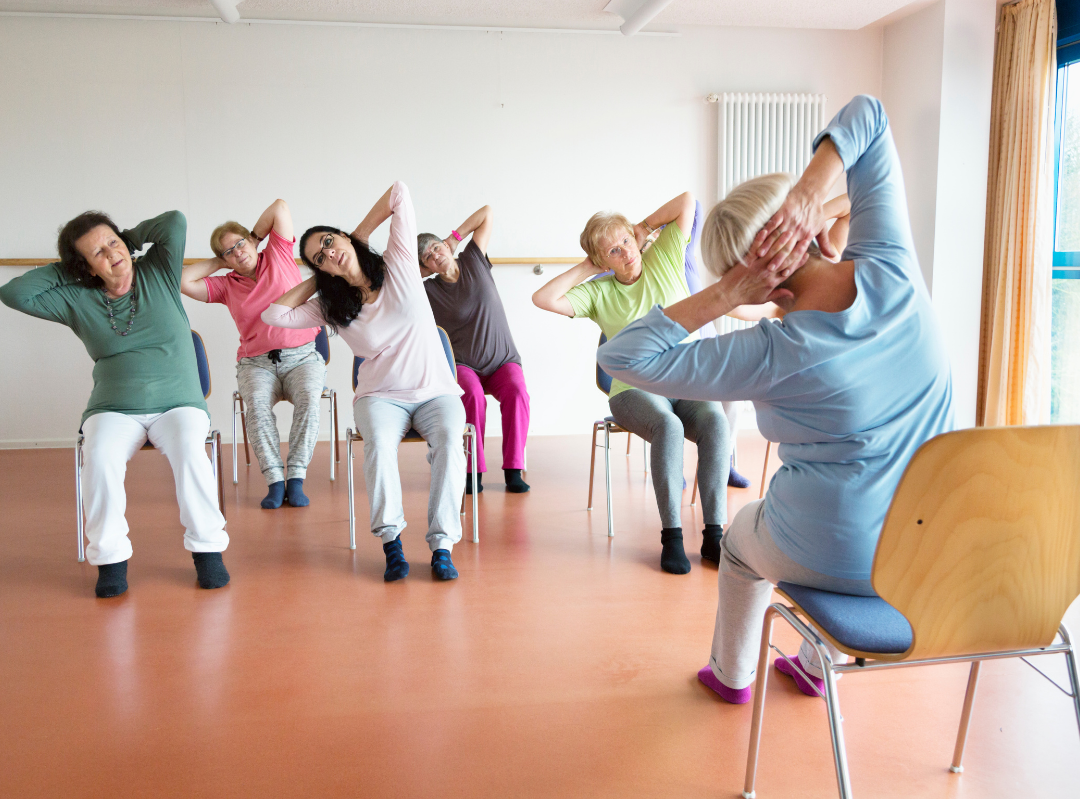
Chair yoga classes for seniors near me offer seated or chair-supported movements for older adults who want a gentler way to stay active. The right class should match your balance, mobility, experience, preferred pace, and need for support. Ask whether the class is fully seated, includes standing movements, and welcomes beginners before joining.
Finding a nearby class is only part of the decision. You also want a setting where the instructions feel clear, and the movements suit your abilities. Autumn House Bloomfield Hills offers yoga classes and balance and strength fitness classes within its Bloomfield Hills community. Here is how to compare your options and prepare for your first class.
What Is Chair Yoga for Seniors?
Chair yoga is a modified form of yoga that uses a chair for seated movements or added support. Depending on the class, you may remain seated throughout the session or use the chair while completing optional standing movements.
The chair can make yoga more approachable for people who do not feel comfortable getting down onto the floor. However, the words “chair yoga” do not guarantee that every movement will be seated. Always ask about the exact class format before attending.
Chair Yoga Is Not Always Fully Seated
Some classes combine seated stretches with standing poses performed while holding the chair. Others remain seated for the entire session. Knowing this ahead of time can help you choose a class that feels manageable and avoid being surprised when the session begins.
How Chair Yoga Relates to Gentle Yoga and Senior Yoga
Chair yoga, gentle yoga, and senior yoga may share slower movements and beginner-friendly instruction, but the names are not interchangeable. Gentle or senior yoga classes may include standing or floor-based movements, while chair yoga uses a chair as a main part of the session.
Does Chair Yoga Match Your Needs and Abilities?
A chair yoga class may be worth exploring if you prefer seated movement or want to ask about chair-supported options. The right fit still depends on the class format, pace, session length, and your individual needs.
Before registering, think about your current mobility and how comfortable you feel following movement instructions in a group. You may also want to ask:
- Can every movement be completed while seated?
- Are standing movements optional?
- Is the class suitable for someone new to yoga?
- How long does the session last?
- Can you watch a class before participating?
If you have pain, dizziness, an injury, recent medical treatment, or movement restrictions, speak with an appropriate healthcare professional before starting. A class instructor or program coordinator can explain the format, but they should not replace personal medical guidance.
A quasi-experimental study involving 85 older women with knee osteoarthritis in Taiwan evaluated a 12-week chair yoga program held twice per week. The researchers reported improvements in measures of functional fitness and daily activity among the intervention group. These findings cannot predict how every person will respond, but they show why chair-based movement continues to receive research attention. Read the peer-reviewed study through the National Institutes of Health.
Your interests outside of exercise also matter. The Lifestyle Assessment can help you think through the routines, activities, and social opportunities you may want from a senior living community.
Chair Yoga, Gentle Yoga, and Balance Classes Compared
Class names can sound similar while describing very different experiences. Comparing what happens during each session gives you more useful information than relying on the title alone.
| Class Type | Typical Focus to Confirm | Use of a Chair | Useful Question to Ask |
| Chair yoga | Seated or chair-supported yoga movements | Central to the class | Is the session fully seated or partly standing? |
| Gentle yoga | Slower-paced yoga movements | May or may not be used | Does the class include floor movements? |
| Senior yoga | Yoga is designed with older adults in mind | Depends on the program | What mobility and experience level is expected? |
| Balance class | Stability and coordinated movement | May be used for support | Can movements be adjusted for different abilities? |
| Balance and strength class | Combined balance and strength-focused activity | Depends on the class | What standing movements or equipment are involved? |
The best choice depends on the movements, pace, support, and participation requirements. A class labeled “beginner” may still include floor poses, while a balance class may involve more standing than you expect. Ask for a clear description before deciding.
What to Look for in Chair Yoga Classes Near You
A nearby location may be convenient, but convenience alone does not make a class the right fit. Look at the full experience, from how the instructor explains movements to how easily you can attend regularly.
Class Format
Ask whether the class is fully seated, seated with optional standing, or mostly standing with chair support. You should also confirm whether it was designed for beginners or assumes that participants have previous yoga experience.
Instructor Communication
Clear instructions can make a new class feel much less uncertain. Look for an instructor who demonstrates each movement, explains options in simple language, and gives participants time to ask questions.
Accessibility and Convenience
Consider the location, schedule, session length, room setup, available seating, and ease of entering the building. Transportation may also affect whether you can attend consistently, especially if the class is held away from home.
Social Environment
Some seniors enjoy a lively group, while others feel more comfortable in a calm and familiar setting. You may prefer a class where you can get to know the other participants and become familiar with the weekly routine.
Related Fitness Opportunities
Yoga does not need to be your only form of movement. The Centers for Disease Control and Prevention recommends that adults age 65 and older include aerobic, muscle-strengthening, and balance activities each week. The general recommendation includes at least 150 minutes of moderate-intensity aerobic activity per week, muscle-strengthening activity on at least two days, and activities that improve balance.
Those recommendations apply broadly, not as a personal prescription. Your abilities, health, and professional guidance should shape your own routine.
A Simple Framework for Comparing Local Senior Yoga Classes
The SUPPORT framework can help you compare yoga classes near you without becoming overwhelmed by class names or promotional descriptions.
- Seating: Can you sit whenever you need to?
- Understanding: Are the directions clear and easy to follow?
- Pace: Does the class move at a comfortable speed?
- Participation: Are movements optional or adaptable?
- Orientation: Are beginners welcomed and guided?
- Routine: Does the schedule work for you?
- Transportation: Can you reach the class easily?
A class is a strong match when these details work together. A convenient schedule may not be enough if the movements feel unclear, and a welcoming instructor may not solve ongoing transportation challenges. Consider the whole experience before committing.
What to Expect Before and During Your First Class
Before your first session, contact the provider and ask what the class includes. Confirm whether you will be sitting, standing, or moving between both positions. You can also ask what to wear, whether you need to bring anything, and whether you may observe before joining.
Arriving a little early can give you time to become familiar with the room and choose a seat where you can clearly see and hear the instructor. Follow the movements within your own limits and ask for clarification when a direction does not make sense.
Useful questions include:
- Is the class intended for older adults?
- Do I need previous yoga experience?
- Can every movement be completed while seated?
- Are standing movements optional?
- How long does the class last?
The National Institute on Aging explains that older adults can benefit from aerobic, muscle-strengthening, and balance activities. Yoga may include more than one type of activity, depending on the class format. Explore the National Institute on Aging’s exercise and physical activity guidance.
Making Chair Yoga Part of a Broader Active Lifestyle
Chair yoga may be one part of a satisfying weekly routine. You may also enjoy activities that support creativity, social connection, learning, or time outside the community. A varied schedule gives you more choices and makes it easier to select activities based on your energy and interests each day.
At Autumn House Bloomfield Hills, yoga classes are available alongside balance and strength fitness classes, art classes, book club, live entertainment, interactive lectures, and outings to local museums and restaurants. You can explore the community’s activities and amenities to see how fitness fits into a broader lifestyle.
Yoga and Balance-Focused Activities at Autumn House Bloomfield Hills
Autumn House Bloomfield Hills lists yoga classes and balance and strength fitness classes among its community amenities. These options give residents different ways to include movement in their routines based on their interests and preferences.
The community also offers escorts to activities and events. On-site transportation is another listed amenity for residents. Yoga and fitness opportunities are part of a wider schedule that includes art classes, book club, live entertainment, Sunday movie or musical matinees, interactive presentations, and local outings.
Autumn House offers Independent Living, Assisted Living, and Respite Care. Each option gives seniors and families a way to consider lifestyle preferences together with the level of daily support that may be needed. Families who are unsure which option may fit can also complete the Care Assessment.
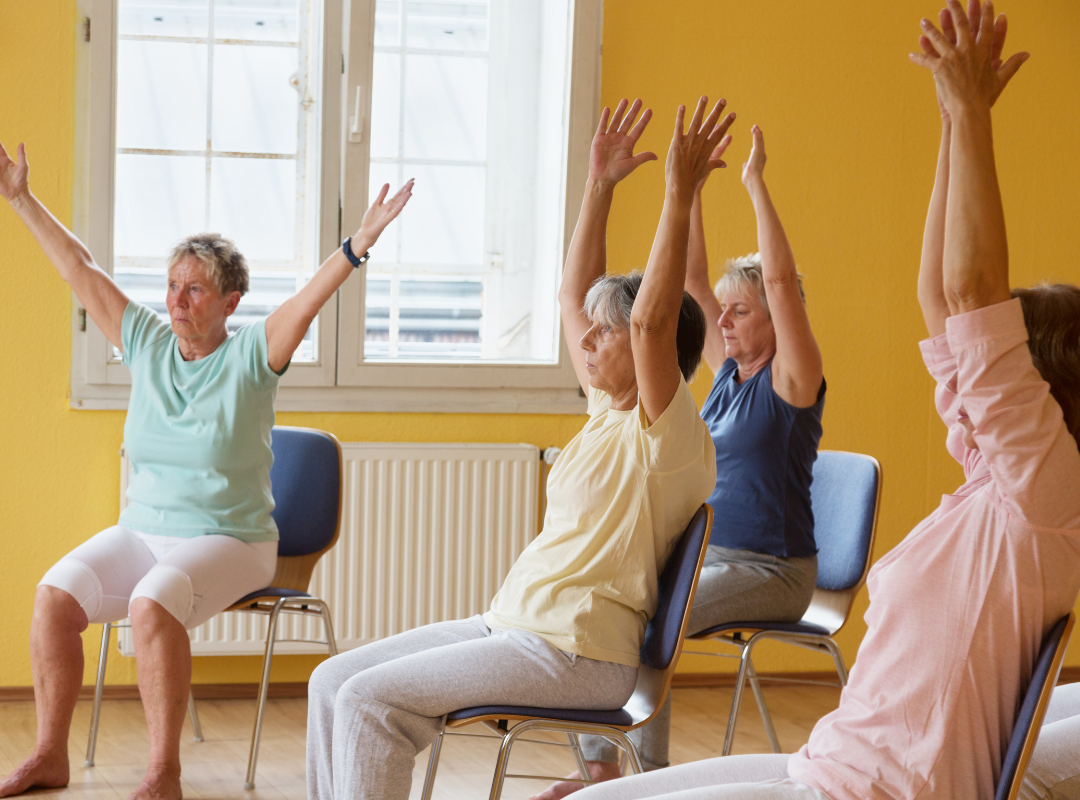
Find a Class and Setting That Feel Right for You
The best chair yoga class is one that feels clear, welcoming, and suited to your current abilities. Pay attention to the instructor’s communication, the pace of the session, the accessibility of the setting, and how easily the class can fit into your routine.
To learn more about yoga, balance classes, and daily life at Autumn House Bloomfield Hills, schedule a community visit. You may also contact the community to ask about current class formats and explore whether the setting matches your lifestyle preferences.
Frequently Asked Questions
Does chair yoga really work for seniors?
Yes, chair yoga can provide a practical way for some seniors to participate in gentle movement using a chair for seating or support. What it accomplishes will depend on the class format, how regularly you participate, your abilities, and your personal goals. Research has explored possible effects on mobility, strength, balance, mood, and daily function, but results vary. Chair yoga should not be presented as a guaranteed treatment or outcome.
Can you lose belly fat with chair yoga?
Chair yoga alone cannot guarantee the loss of belly fat. Changes in body fat are influenced by many factors, including overall activity, eating patterns, health, and individual biology. Chair yoga may form part of a broader active routine, but it does not target fat loss from one specific part of the body. Speak with an appropriate professional if weight management is one of your goals.
How many times a week should a senior do chair yoga?
There is no single weekly schedule that is right for every senior. Frequency depends on the length and intensity of the class, your current activity level, your abilities, and any professional guidance you have received. Some people may begin with fewer sessions and adjust as they learn how their body responds. The class instructor can explain the program schedule, but personal medical questions should be directed to a healthcare professional.
Who should not do yoga exercises?
Anyone with pain, dizziness, an injury, recent surgery, movement restrictions, or uncertainty about exercise should seek appropriate professional guidance before participating. Certain poses or transitions may not suit every person, even in a class described as gentle. You should also tell the instructor about any limitations that affect how you move. Stop participating and seek assistance if you feel unwell during a session.
Are beginner yoga classes for seniors always completed in a chair?
No, beginner yoga classes for seniors are not always chair-based. Some may include standing poses, floor movements, or transitions between positions. The terms “beginner,” “gentle,” “senior,” and “chair yoga” describe different features and should not be treated as identical. Ask the provider for a clear description of the movements before attending.
What should I ask when looking for chair yoga classes for seniors near me?
Ask whether the class is fully seated, partly standing, or floor-based. You should also ask about pace, session length, beginner suitability, instructor communication, accessibility, class size, and transportation. Find out whether you may observe a session before joining. These details will help you compare the actual experience, not just the distance from your home.
Does Autumn House Bloomfield Hills offer yoga classes?
Yes, Autumn House Bloomfield Hills offers yoga classes. The community also offers balance and strength fitness classes as part of its activity options. Class schedules and formats may change, so contact the community for current details. You can also schedule a tour to explore the activities, services, and living options in person.