248.723.6275
 Bloomfield Hills, MI


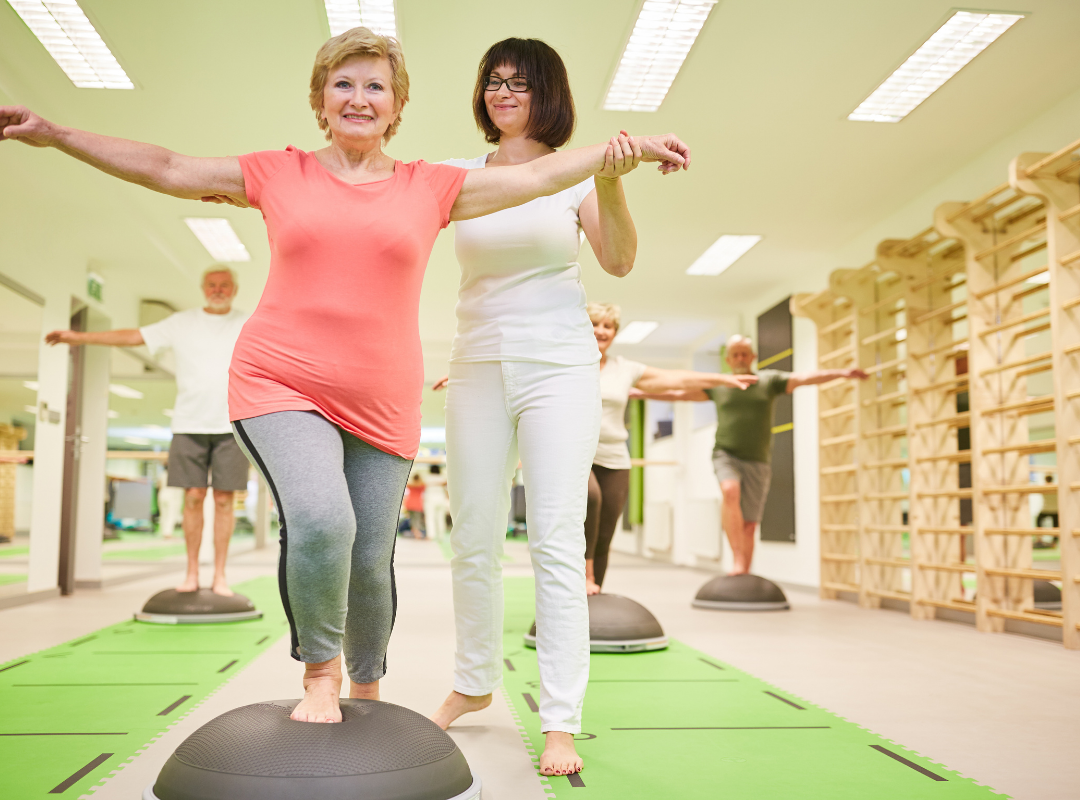
Searching for balance classes for seniors near me can help you find guided activities focused on steadiness, coordination, strength, posture, and controlled movement. The right class should match your current abilities, offer suitable support, and feel comfortable enough to attend regularly.
If you are looking for yourself or helping a family member, distance is only one part of the decision. Class format, modifications, transportation, and the overall setting can all affect participation. Autumn House Bloomfield Hills offers yoga classes and balance and strength fitness classes as part of its activities in Bloomfield Hills, Michigan.
What Is a Balance Class for Seniors?
A balance class for seniors is a guided movement session designed to practice steadiness, coordination, lower-body strength, posture, and controlled movements used in daily activities. Depending on the program, a class may include standing movements, chair-supported exercises, stretching, gentle strength work, or yoga-inspired movements.
Balance, strength, and coordination work together. Stronger muscles can support controlled movement, while balance practice can help you maintain stability while standing or changing position. Class formats vary, so ask whether movements are seated, standing, chair-supported, or a mix before joining.
The need for suitable movement support is significant. The Centers for Disease Control and Prevention reports that more than 14 million adults age 65 and older, or about one in four, report falling each year. A balance class is not medical treatment, but guided movement may be one part of a broader plan for staying active and working on strength and steadiness.
Consider your current abilities and any guidance you have received from a qualified healthcare professional before starting a new exercise routine.
Balance Classes, Chair Yoga, and Senior Yoga: How They Compare
Balance classes, chair yoga, and senior yoga may share some movements, but they do not have the same main purpose. Knowing the differences can help you choose an option that fits your interests and starting point.
| Class Option | Main Emphasis | Common Format | May Be a Good Fit If You Want |
| Balance class | Steadiness and coordination | Standing and supported movements | Focused practice for everyday stability |
| Balance and strength fitness class | Strength and controlled movement | Guided exercises with possible chair support | A routine combining balance and strength |
| Chair yoga | Supported stretching and movement | Mostly seated or chair-supported poses | A more supported introduction to movement |
| Beginner senior yoga | Flexibility, breathing, posture, and control | Seated and standing poses may be included | A broader mind-and-body activity |
Someone searching for chair yoga classes for seniors near me may prefer a class with more seated support. Gentle yoga may include stretching, breathing, and slow movements, while a balance class may spend more time on steadiness and controlled position changes.
Class names alone do not tell you how demanding a session will be. A nearby beginner yoga class designed for older adults could include standing poses, while another may stay mostly seated. Ask how the instructor adapts movements and whether participants can use a chair for support.
A Five-Part Framework for Evaluating Nearby Classes
The best nearby class is one you can access, follow, and feel comfortable returning to. Use these five factors to compare balance classes, senior yoga, and beginner movement programs.
- Movement level: Find out whether exercises are seated, standing, chair-supported, or mixed.
- Adaptability: Ask whether movements can be adjusted for different mobility and comfort levels.
- Instruction: Look for clear explanations and encouragement to work within your own abilities.
- Access: Consider travel time, location, schedule, transportation, and ease of entering the activity space.
- Consistency: Choose a schedule that makes regular participation realistic.
Before joining, ask whether the class was created for older adults, how long it lasts, and what participants should wear or bring. You may also want to ask whether you can observe a session or attend an introductory class before committing.
Access can matter as much as the exercises themselves. A class may seem like a good match, but a difficult schedule or lack of transportation can make regular attendance harder. Look at the full experience, not only how close the program appears in search results.
Which Type of Gentle Movement May Fit Your Starting Point?
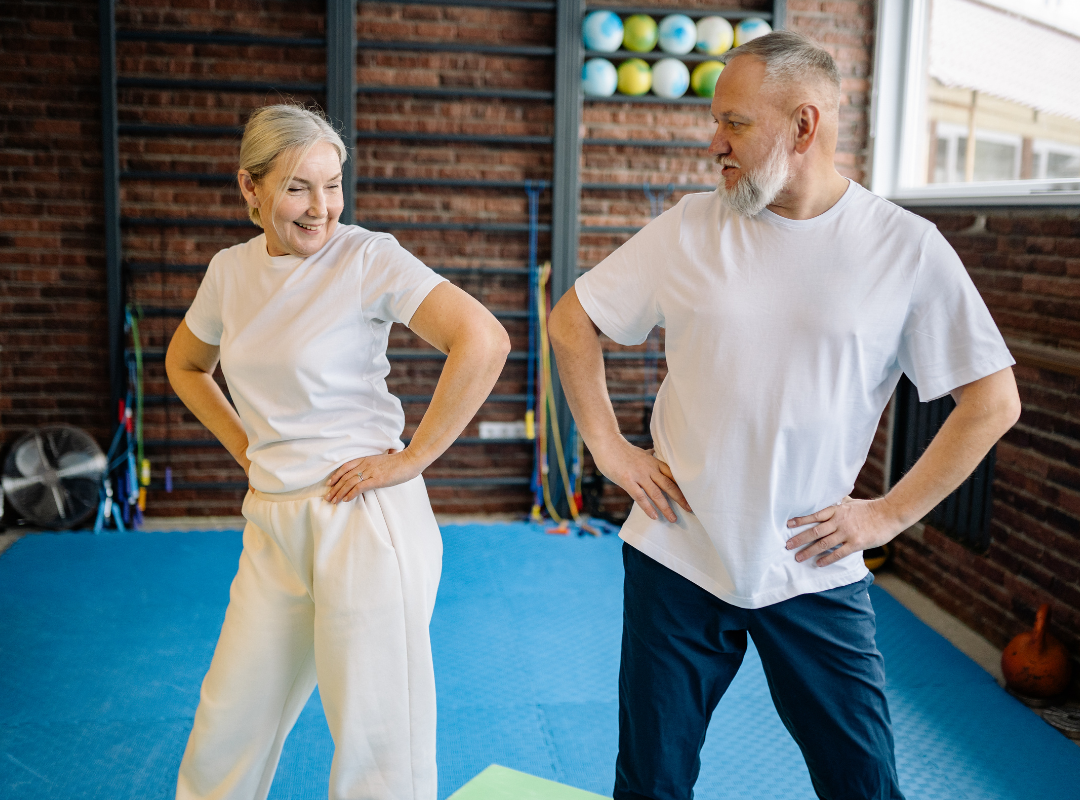
Start with chair yoga if seated support feels best, or compare balance and strength classes if you are comfortable with a mix of supported and standing movement. Your interests and preferred level of assistance can help narrow the options.
You Prefer Seated or Supported Movement
Chair yoga can provide a more supported format if you are comfortable sitting or using a chair for stability. Ask whether the full class is seated or whether it also includes optional standing movements.
You Want to Build Strength and Steadiness
A balance and strength fitness class combines controlled movements with strength-focused activity. Confirm how the class accommodates different abilities before participating.
You Enjoy Stretching, Breathing, and Mindful Movement
Gentle yoga classes for seniors often focus on controlled stretching, posture, breathing, and slow position changes. Ask what poses are included and whether standing movements can be modified.
You Want an Ongoing Social Activity
A recurring group class can add structure and social connection to your week. Choosing an activity you enjoy can make regular attendance feel more natural.
Your activity preferences may also shape the type of senior living environment that feels right. The Lifestyle Assessment can help you think through the routines, interests, and experiences that matter to you.
At-Home Movement and Daily Habits: What Families Should Consider
At-home movement should match the older adult’s abilities and any professional guidance they have received. A familiar routine could include walking when appropriate, gentle stretching, controlled sit-to-stand movements, or exercises previously taught by a qualified instructor.
A safer routine also includes wearing suitable footwear, using stable support when instructed, and keeping common walking areas clear. The CDC identifies lower-body weakness, difficulties with walking or balance, poor footwear, and household hazards as fall-risk factors.
Seek professional guidance before beginning at-home balance exercises if the older adult has recently fallen, feels dizzy or unsteady, experiences pain, or cannot stand safely without assistance.
Why There Is No Universal “Number One” Exercise
There is no single best balance exercise for every older adult. A suitable movement depends on mobility, strength, confidence, surroundings, and the amount of support the person needs.
A standing movement may work well for one person but feel unsafe for someone else. A good starting point is an exercise that fits the person’s abilities and can be performed with appropriate guidance.
A Practical Daily-Movement Perspective for Someone in Their 70s
A person in their 70s can focus on regular movement that fits their health and abilities. A balanced daily routine may also include nourishing meals, hydration, rest, social engagement, and meaningful activities.
Current federal physical activity guidance for older adults recommends a mix of aerobic, muscle-strengthening, and balance activities during the week. People who cannot meet the full recommendations can start slowly and do what their abilities and circumstances allow.
How Lifestyle Support Can Make Class Participation Easier
Finding a class is only the first step. Transportation, preparation, scheduling, and access to the activity can all affect whether an older adult participates regularly.
On-site transportation can make it easier to reach planned activities or community outings. Escorts to activities and events may support residents who need assistance getting to scheduled programs. Help with dressing or grooming can also make preparing for a class easier for residents who need that support.
The right level of assistance differs from person to person. Families comparing living arrangements can review the available care offerings to understand how daily support may fit alongside an active routine.
Gentle Movement at Autumn House Bloomfield Hills
Autumn House Bloomfield Hills is located at 6257 Telegraph Rd. in Bloomfield Hills, MI. Its activities include yoga classes and balance and strength fitness classes. The community also offers on-site transportation and escorts to activities and events.
Residents can take part in other social and creative experiences, including book clubs, art classes, live entertainment, interactive lectures, and outings to local museums and restaurants. These options can help create a varied routine that includes movement, learning, and time with others. Additional senior living topics are available through the community’s senior lifestyle resources.
Autumn House Bloomfield Hills offers Independent Living, Assisted Living, and Respite Care. Available assistance with dressing, grooming, showering, bathroom needs, and medication can support residents whose daily routines call for added help.
The support each resident receives depends on the selected services and personal care plan. Families can explore the community’s amenities and lifestyle offerings or use the Care Assessment to think through changing support needs.
Explore a Lifestyle That Supports Movement and Connection
Choosing among balance classes, chair yoga, and senior yoga takes more than finding the closest option. A good fit should match your abilities, offer suitable modifications, be practical to attend, and feel welcoming enough to become part of your routine.
A visit can help you see how movement classes, transportation, and daily support fit into community life. Schedule a tour of Autumn House Bloomfield Hills, or contact the team with your questions.
Frequently Asked Questions
What is the number one exercise to increase balance in seniors?
There is no single best balance exercise for every senior. The right movement depends on the person’s strength, mobility, confidence, health, and need for support. A suitable starting exercise should match the person’s abilities and be performed with appropriate guidance. Someone with health concerns, unsteadiness, or a history of falls should ask a qualified healthcare professional for individualized advice.
What should a 70 year old be doing every day at home?
A 70-year-old should aim for regular movement that fits their health and abilities. This could include walking, stretching, strength activity, or balance exercises previously recommended by a qualified professional. Meals, hydration, rest, social connection, and meaningful activities also support a well-rounded daily routine. Anyone beginning a new exercise program should start at a manageable level and seek guidance when needed.
What is balance class for seniors?
A balance class for seniors is a guided session focused on steadiness, coordination, posture, strength, and controlled movement. Classes can include standing exercises, chair-supported movements, stretching, or yoga-inspired activities. Formats vary, so ask how the instructor supports different abilities. The class should feel manageable and practical to attend regularly.
What can an older person do to improve balance?
An older person can begin by discussing unsteadiness or previous falls with a qualified healthcare professional. The next step may include choosing an appropriate guided balance, strength, yoga, or chair yoga activity and practicing suitable movements consistently. Supportive footwear and clear walking areas can also reduce avoidable challenges at home. The safest approach should reflect the person’s health, mobility, and need for assistance.