248.723.6275
 Bloomfield Hills, MI


Senior apartments are residences designed with older adults in mind, but the term can describe several types of housing. Some are standard age-restricted rentals, while others are part of independent or assisted living communities. Before comparing prices, identify the type of residence, the services included, and the level of daily support available.
For older adults and families in the greater Detroit area, this distinction can make the search easier. It helps you avoid comparing two apartments that may look similar online but support very different needs.
Key Takeaway: Senior apartments may be age-restricted rentals, independent living residences, or assisted living apartments. Compare the housing model and included support, not only the apartment itself.
What Does “Senior Apartments” Mean?
“Senior apartments” is a broad phrase rather than a standard level of care. Depending on the property, it may refer to a regular apartment with an age requirement or a residence within a senior living community.
The U.S. Department of Housing and Urban Development recommends identifying the type of living arrangement and assistance needed before researching individual properties. This is important because meals, transportation, housekeeping, activities, and personal assistance are not included in every senior apartment.
Here is a simple comparison:
| Housing type | Often suited to | Common features | Personal assistance |
| Age-restricted senior apartments | Older adults who want a standard rental among people in a similar age group | Private apartment and shared property features | Usually not part of the housing agreement |
| Independent living apartments | Older adults who manage personal care but want fewer household responsibilities | May include meals, housekeeping, transportation, and activities | Generally, not the central service |
| Assisted living apartments | Older adults who benefit from help with daily personal tasks | Housing, meals, activities, and personal assistance | May include help with dressing, grooming, bathing, medications, or bathroom routines |
Features vary from one property to another. A residence described as independent living may include services that another property charges for separately.
Affordable or subsidized senior housing is also a separate category. HUD programs have their own eligibility, income, and application requirements. A community should not be assumed to offer subsidized housing simply because it uses the phrase “senior apartments.”
Which Type of Senior Apartment Fits Your Daily Needs?
Start with the older adult’s current routine instead of the property’s marketing language. Consider which responsibilities they want to continue managing and where support would make daily life easier.
Someone exploring independent living may be comfortable managing bathing, dressing, grooming, and medications. However, they may no longer want to cook every meal, maintain a home, arrange transportation, or handle regular housekeeping.
Assisted living may be worth exploring when an older adult benefits from help with personal tasks. These may include:
- Dressing or grooming
- Showering or bathroom routines
- Medication assistance
- Getting to activities and events
- Other regular parts of the day
These questions are not meant to diagnose a care need. They help families identify which housing model to research and which questions to ask.
The difference between independent and assisted living can provide a more detailed starting point when the appropriate level of support remains unclear.
Families can also complete the Care Assessment to organize the older adult’s current routines, preferences, and support needs before contacting a community.
What to Compare When Looking at Senior Apartments for Rent
The monthly rate matters, but it does not show the complete value of a senior apartment. One property may charge primarily for the residence, while another may include meals, transportation, household services, activities, or personal assistance.
Compare each option across three areas.
The Residence and Location
Ask about the apartment itself and how the location fits the older adult’s routine.
Consider:
- Available apartment layouts
- Accessibility features
- Storage and furnishing options
- Building entrances and common areas
- Distance from family and friends
- Access to preferred stores, appointments, and activities
- Available transportation
- Parking and visitor arrangements
Location should be evaluated based on the older adult’s real routine. Being near a popular attraction may matter less than having reasonable access to family, familiar places, and necessary appointments.
Services and Daily Support
Do not assume that two senior apartments include the same services.
Ask whether the monthly rate includes:
- Meals
- Housekeeping
- Laundry
- Transportation
- Activities
- Personal assistance
- Medication support
- Escorts within the community
Also, ask how services can change if the resident’s needs change. A community may offer several service levels, but the availability, cost, and process should be confirmed directly.
Costs and Agreement Details
Request a clear explanation of the monthly rate and other charges before comparing communities.
Ask about:
- What the starting price covers
- One-time community or move-in fees
- Personal care fees
- Optional service charges
- The rate changes when support needs change
- Deposit and refund terms
- Notice requirements
- Application or screening fees
- What happens if a preferred apartment is unavailable
A lower advertised rate does not always mean a lower total monthly cost. Compare the services the older adult expects to use and the expenses that may no longer be necessary after moving.
The senior living Cost Comparison tool can help families compare current household expenses with the costs connected to community living.
How Autumn House Bloomfield Hills Fits the Senior-Apartment Search
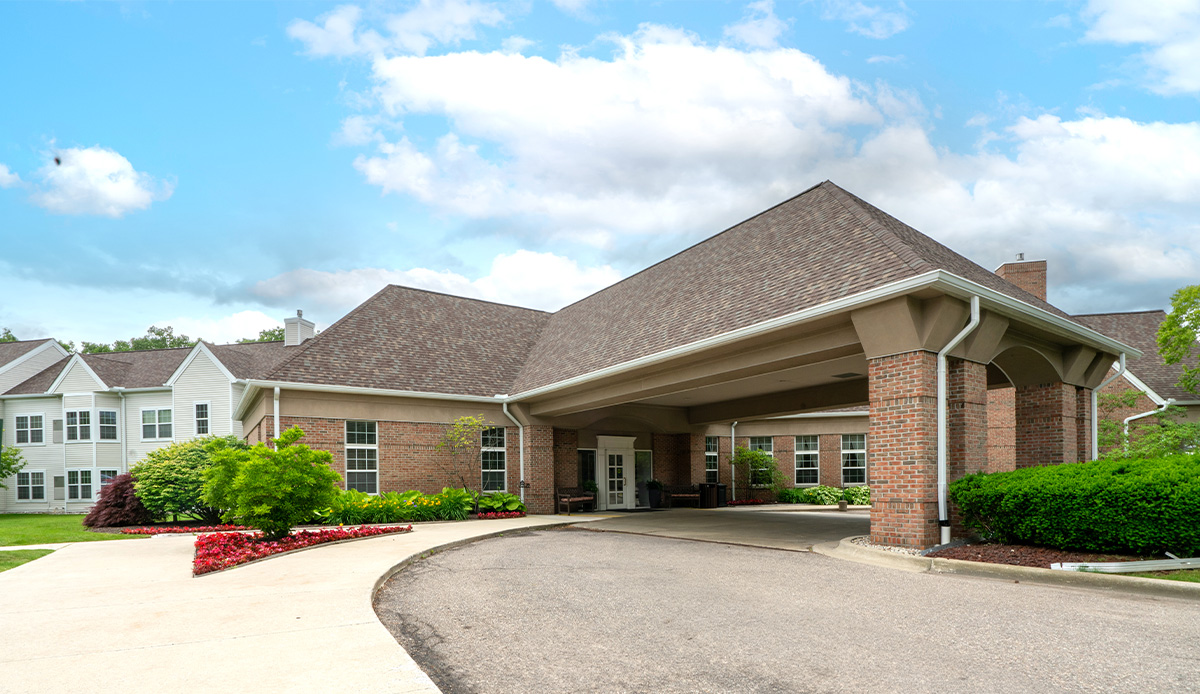
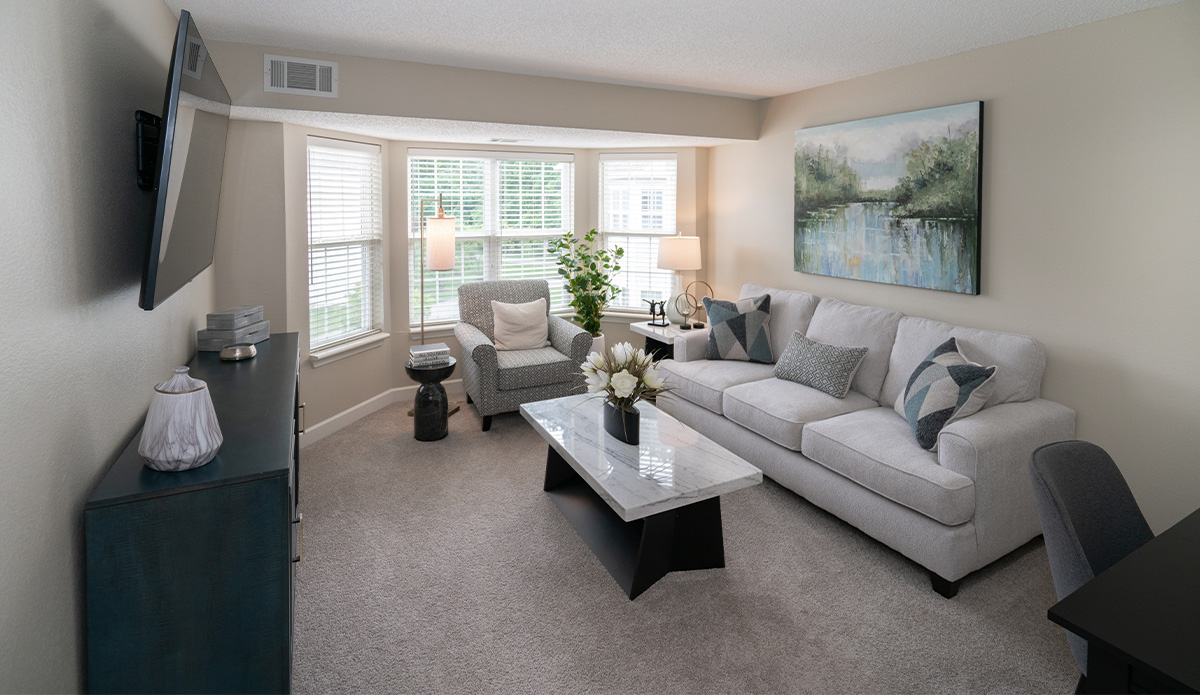
Autumn House Bloomfield Hills is located at 6257 Telegraph Road in Bloomfield Hills, Michigan. It may be considered by older adults and families researching senior apartments in the greater Detroit area, but it should not be confused with an apartment community in downtown Detroit.
The community offers Independent Living, Assisted Living, and Respite Care. This gives families options based on the older adult’s current situation rather than placing every resident into the same service category.
Approved community services include:
- Three meals a day, seven days a week
- Housekeeping
- Laundry services
- On-site transportation
- Escorts to activities and events
For residents receiving appropriate personal support, approved assistance may include dressing, grooming, showering, bathroom routines, and medications.
Pricing starts at $4,500. A non-refundable community fee equal to one month’s rent and a personal care plan fee also apply. Because pricing may depend on the residence and support needed, families should confirm what is included in a specific quote before making comparisons.
Daily Life and Activities to Compare
Activities are worth reviewing because a long activity list does not automatically mean the community fits the older adult. Focus on whether the available choices match their actual interests and preferred routine.
Examples at Autumn House Bloomfield Hills include:
- Yoga, balance, and strength fitness classes
- Book club and art classes
- Live entertainment
- Sunday movie or musical matinees
- Interactive lectures and presentations
- Outings to local museums and restaurants
- Theme dinners and veteran events
- Detroit Tigers opening day
- Wine Down Wednesdays and Friday Happy Hour
The community’s services and amenities provide additional details for families comparing daily routines and lifestyle options.
During a visit, ask which activities happen regularly and how residents learn about upcoming events. Consider which options the older adult would realistically choose rather than comparing communities by the number of activities listed.
Questions to Ask When Touring Senior Apartments
A tour is an opportunity to look beyond photos and general descriptions. Bring a short list of questions so important details are not missed.
Consider asking:
- What type of senior housing is this?
Confirm whether the property is an age-restricted rental, independent living community, assisted living community, or a community offering several options. - What is included in the monthly rate?
Ask specifically about meals, housekeeping, laundry, transportation, activities, utilities, and personal assistance. - What additional or one-time fees apply?
Request a written explanation of community fees, care fees, deposits, and optional charges. - What personal assistance is available?
Ask which daily tasks can be supported and how associated fees are determined. - What happens if support needs change?
Find out which options are available within the community and what discussions or assessments may be required. - What transportation is offered?
Ask about destinations, scheduling, frequency, and whether advance notice is needed. - What meals and dining choices are available?
Confirm how many meals are included and how dining schedules work. - Which activities occur regularly?
Look for choices that fit the older adult’s interests, energy level, and preferred schedule. - Which apartment layouts are currently available?
Ask to see the actual layout under consideration when possible. - What are the application requirements?
Confirm eligibility rules, documents, financial information, deposits, and expected next steps.
Take notes during each tour. Using the same questions at every community makes it easier to compare answers later.
Prepare for the Next Step
Before choosing a senior apartment, identify the type of housing needed, list the services that matter most, and request a clear explanation of included and additional costs.
Older adults and families who are ready to explore Autumn House can schedule a personal tour. During the visit, they can review the community environment, discuss available care offerings, and ask how current pricing applies to their situation.
For current information, call 248-723-6275.
Frequently Asked Questions
What should older adults look for when comparing senior apartments for rent?
Older adults should first confirm what type of housing each property offers. They should compare the apartment layout, location, meals, household services, transportation, activities, personal assistance, and total monthly cost. It is also important to ask about one-time fees and services that cost extra. The best fit depends on the older adult’s daily routine and the support they expect to use.
How do senior apartments differ from standard apartment communities?
Some senior apartments operate much like standard rentals but have age requirements or features intended for older adults. Apartments within independent or assisted living communities may also include meals, housekeeping, transportation, activities, or personal support. Standard apartment communities generally focus on housing rather than senior living services. Because the term varies, renters should ask what is included instead of relying only on the property name.
What questions should families ask when touring senior apartments?
Families should ask what the monthly rate includes, which fees apply, and what services are optional. They should also ask about meals, transportation, housekeeping, laundry, activities, personal assistance, and available apartment layouts. Questions about changing support needs and application requirements are also important. Written information can make it easier to compare several communities after the tours.
How can seniors narrow down senior apartments near me based on daily needs?
Begin by listing the tasks the older adult manages independently and the responsibilities they would like help with. Consider meals, home upkeep, transportation, medication routines, personal care, and opportunities for activities. Then remove properties that do not provide the essential services or location needed. This needs-first approach is often more useful than choosing based on photos or amenities alone.
What documents and information are typically needed when applying for a senior apartment?
Requirements differ by property and housing type. An application may request government-issued identification, contact information, financial details, rental history, and emergency contacts. Age-restricted or income-qualified properties may require additional proof of eligibility. A senior living community may also request information needed to discuss services or a personal care plan, but applicants should confirm the exact requirements directly with the community.