248.723.6275
 Bloomfield Hills, MI


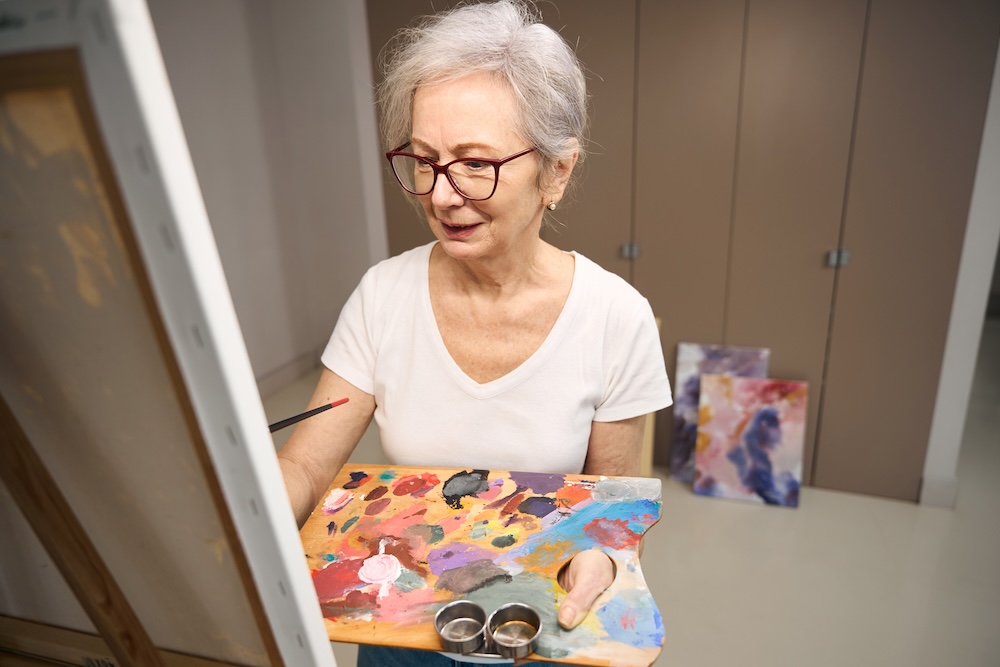
Group art projects bring joy to senior communities in MI by giving older adults a shared way to create, contribute, express themselves, and connect with others. The experience is not only about making a finished piece. It is also about enjoying the process, exchanging ideas, and feeling that each person’s contribution matters.
Painting, collage, clay, and seasonal crafts can be adapted to different interests and comfort levels. These activities also give families a useful look at how a community supports personal interests, social participation, and meaningful daily experiences.
What Are Group Art Projects in Senior Communities?
Group art projects in senior communities are collaborative creative activities in which residents contribute to a shared piece, theme, or experience. Projects may include murals, collages, painting sessions, clay work, or seasonal crafts that let people participate in ways that feel comfortable and meaningful.
A collaborative project is different from several people completing identical artwork in the same room. Residents may work toward one shared result, such as a mural, or create individual pieces connected by a common theme. One person may paint, another may choose colors, and someone else may suggest the subject or help arrange the display.
The shared purpose is what makes the activity valuable. It connects creative expression with resident participation, conversation, personal interests, and community life.
Why Collaborative Art Can Add Meaning to Daily Life
Collaborative art gives older adults a shared activity that supports expression, contribution, and natural social interaction. Its value often comes from the small moments that happen while people choose materials, exchange ideas, and see their work come together.
The National Institute on Aging encourages older adults to remain involved in enjoyable social and productive activities, including taking an art class. Creative projects can become part of that broader pattern of staying interested, engaged, and connected.
A Shared Reason to Connect
A group project provides an easy starting point for conversation. Residents can discuss colors, themes, materials, or memories connected with the artwork without feeling pressure to make formal introductions.
Social connection matters across all stages of adulthood. The Centers for Disease Control and Prevention reports that about one in three U.S. adults feels lonely and about one in four lacks social and emotional support. An art activity cannot solve loneliness on its own, but a welcoming shared experience may create regular opportunities for conversation and companionship.
A Flexible Way to Express Ideas
Art allows residents to communicate through color, shape, texture, images, and personal choices. A person does not need advanced art skills to choose a meaningful photograph, suggest a theme, or select colors that reflect a mood or memory.
This flexibility helps make creative activities welcoming to beginners and experienced artists alike. It also allows residents to contribute without being expected to create the same thing in the same way.
A Visible Sense of Contribution
A completed mural, collage, or seasonal display shows how individual contributions can become part of something larger. Seeing the work displayed may remind residents that their choices and ideas helped shape the finished piece.
A recent umbrella review of participatory arts and older-adult well-being found that these activities show potential to support well-being. The researchers also noted that differences in study quality and methods limit firm conclusions, so creative programs should be valued as engaging experiences without promising specific health results.
Opportunities to Explore or Revisit Interests
Some residents have enjoyed art for many years. Others may be holding a paintbrush or shaping clay for the first time.
A group setting can make exploration feel less intimidating because the activity is shared. Residents can observe, try one part of the project, or return to an interest they enjoyed earlier in life without feeling that the finished work must be perfect.
Five Group Art Projects That Encourage Participation
The strongest group art projects offer more than one way to take part. Residents may contribute through hands-on work, planning, storytelling, material selection, or helping present the finished piece.
Community Murals
A mural gives residents a chance to work toward one large, visible result. The group may select a seasonal theme, landscape, local scene, or subject that holds shared meaning.
Residents can participate by:
- Suggesting the theme
- Choosing colors or images
- Painting a section
- Helping plan the layout
Because the work can be divided into smaller sections, each person can contribute at a comfortable pace.
Themed Collages
Collages combine photographs, magazine images, words, colors, and decorative materials around a shared idea. Themes may focus on favorite places, seasons, music, nature, or uplifting messages. A familiar image can also spark a conversation about why it caught someone’s attention.
Pottery and Clay Projects
Clay offers a hands-on way to explore shape, texture, and design. Residents may form individual pieces, decorate prepared shapes, or add small elements to a group display. The focus can remain on experimenting with the material and making personal choices.
Watercolor and Acrylic Painting
Group painting sessions may follow a shared theme while leaving room for individual interpretation. Residents can approach the same landscape, floral design, or prompt with different colors, details, and styles. Individual paintings may also be arranged as one coordinated display.
Seasonal and Event-Based Crafts
Seasonal crafts can connect creative activities with community events and traditions. Residents may make greeting cards, table decorations, artwork, or pieces for a shared display. Projects can focus on nature, the season, or a community event without assuming that everyone observes the same traditions.

How Different Residents Can Take Part in the Same Project
Residents do not need to complete the same task for a group art project to feel inclusive. A well-planned activity offers choices that match different interests, energy levels, and preferred degrees of involvement.
Participation may include:
- Selecting colors, images, or materials
- Painting or assembling part of a larger piece
- Suggesting a theme or title
- Sharing a memory connected with the project
- Helping arrange or display the finished work
Someone who does not want to paint may enjoy discussing the theme or deciding where pieces belong. Another person may prefer to watch the first session before joining.
Clear instructions and a comfortable pace can make a project easier to follow. Residents should also feel free to observe or decline without pressure.
Group Art Project Comparison
Different projects create different opportunities for creativity and interaction. Families can use the following comparison to understand what each activity may look like.
| Group art project | How residents may participate | What families may notice |
| Community mural | Paint sections, select colors, or suggest the theme | Cooperation and a visible shared result |
| Themed collage | Choose images, arrange materials, or contribute ideas | Storytelling and individual expression |
| Clay project | Shape, decorate, or select designs | Hands-on creativity and personal choice |
| Group painting session | Follow a prompt or create an individual interpretation | Different perspectives within one activity |
| Seasonal craft | Assemble cards, decorations, or themed artwork | Connection with community events and traditions |
No single format is right for everyone. The most useful activities provide enough guidance to get started while leaving room for individual preferences.
How Families Can Join and Support Creative Activities
Family involvement can make creative activities feel more personal when it follows the resident’s interests. Loved ones may join a scheduled session when invited, talk about completed work, or help gather approved materials for a planned project.
Families can support the experience by asking open-ended questions, such as what the resident enjoyed or how a color or theme was chosen. These conversations keep the focus on the resident’s ideas instead of judging the finished work.
Other supportive approaches include displaying artwork in the resident’s living space or sharing copies of meaningful photographs for a collage. Family members should allow the resident to lead whenever possible. Taking over may unintentionally turn an enjoyable activity into a task.
Families interested in individual classes as well as collaborative projects can also explore senior art classes that support creativity and inspiration.
What Creative Programming Can Reveal About a Senior Community
Creative programming can show how a senior community supports resident choice, personal interests, and involvement in daily life. An activity calendar may list art classes, but a visit can help you understand how those activities are planned and experienced.
During a tour, notice whether staff describe flexible options for joining. Ask whether residents can suggest themes, observe before participating, or choose among different types of creative activities.
Useful questions include:
- How often are art classes or projects offered?
- Can activities be adapted to different interests and abilities?
- Are residents invited to suggest project ideas?
- Can someone watch before choosing to participate?
- Are completed projects displayed or celebrated?
You may also want to ask whether families are invited to selected activities and how the team learns what residents enjoy. The answers can help you see whether programming reflects genuine resident interests or simply fills space on a calendar.
Creative activities are one part of a larger senior living decision. Families who are unsure which type of support may fit can complete the care assessment to organize their questions before exploring specific communities.
Creative Life at Autumn House Bloomfield Hills
Autumn House Bloomfield Hills offers art classes as part of community life in Bloomfield Hills, Michigan. Residents may also enjoy outings to local museums, interactive lectures and presentations, a book club, live entertainment, and community events.
These opportunities give residents several ways to stay curious and involved. Someone who enjoys visual art may look forward to a class or museum outing, while another resident may prefer a lecture, musical matinee, or book discussion.
The community offers Independent Living, Assisted Living, and Respite Care. Relevant services may also make it easier to attend scheduled programs. On-site transportation and escorts to activities and events can support access, while housekeeping, laundry services, meals, and personal assistance may support daily routines.
Families can review the community amenities to see how creative, social, fitness, and entertainment options fit together.
See How Creativity Fits Into the Right Senior Living Experience
Group art projects offer residents ways to contribute ideas, enjoy conversation, and explore creativity at a level that feels right for them. For families comparing senior communities in MI, these activities can also reveal how a community approaches resident choice, connection, and everyday engagement.
You can schedule a tour to ask how creative activities fit into life at Autumn House Bloomfield Hills. For a personal conversation, contact the community or call 248-723-6275 to discuss your questions and the experience you want for yourself or someone close to you.
Frequently Asked Questions
What types of senior communities are available in Michigan?
Michigan has senior communities that provide different living arrangements, services, and levels of personal support. Options may include communities centered on independent lifestyles, communities offering daily assistance, and short-term respite arrangements. Autumn House Bloomfield Hills offers Independent Living, Assisted Living, and Respite Care. The right option depends on a person’s routines, preferences, and support needs.
How do 55-and-over communities in Michigan differ from retirement communities?
A 55-and-over community generally uses age requirements as part of its housing model, while the term retirement community can describe a wider range of senior living settings. Services, meals, transportation, personal assistance, and organized activities may differ from one community to another. The name alone does not explain what support or lifestyle is available. You should compare the actual services, amenities, and resident experience before making a decision.
What should older adults consider when comparing retirement communities near them?
Older adults should compare whether a community supports their daily routines, personal interests, social preferences, and current needs. Review the available services, meals, transportation, housekeeping, activities, and opportunities to spend time with others. Ask how residents choose activities and whether participation can be adapted. A tour can help you see whether the environment feels welcoming and aligned with the lifestyle you want.
How can families evaluate the best retirement communities in Michigan?
The best retirement community is the one that fits the individual, not the one with the longest list of features. Families should compare services, location, activity options, daily support, personal preferences, and the way questions are handled during a visit. Look at whether residents have choices and whether programs reflect varied interests. Clear answers and a respectful, unhurried tour experience can help your family make a more informed decision.
What questions should families ask when touring Michigan senior communities?
Families should ask what services are available, how activities are planned, and how the community learns about each resident’s interests. Ask about meals, transportation, housekeeping, personal assistance, family involvement, and creative programs such as art classes. You can also ask whether residents may observe an activity before joining or suggest ideas for future programs. These questions help reveal what everyday life may actually feel like beyond the tour route.